Velislava Petrova: The Balkans Must Shape Their Own Future Through Strong Partnerships and Strategic Connectivity
18 September 2026 News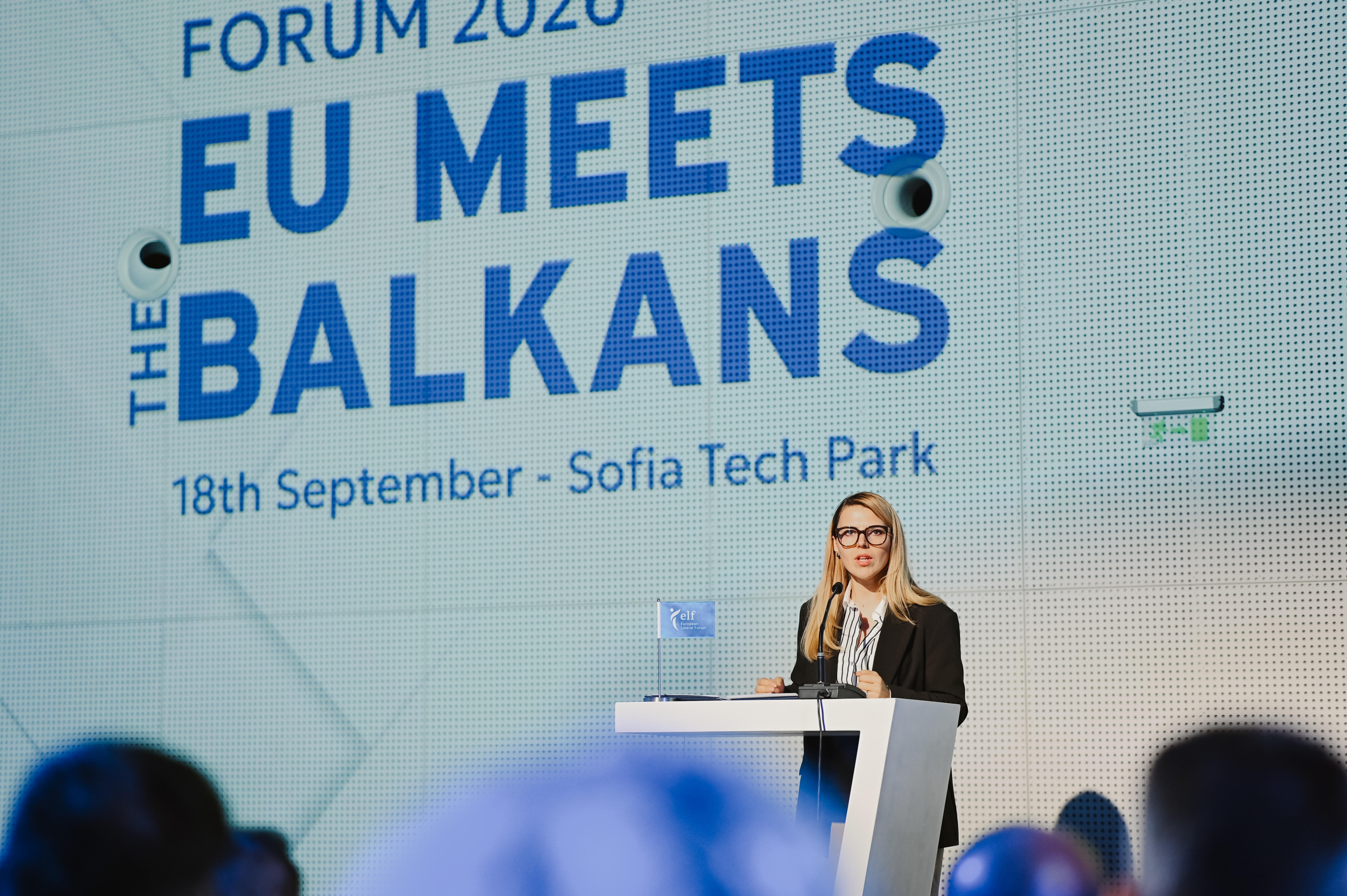
Europe’s Key Achievement Is Its Ability to Turn Borders into Bridges, the Minister Said at the EU Meets the Balkans International Conference
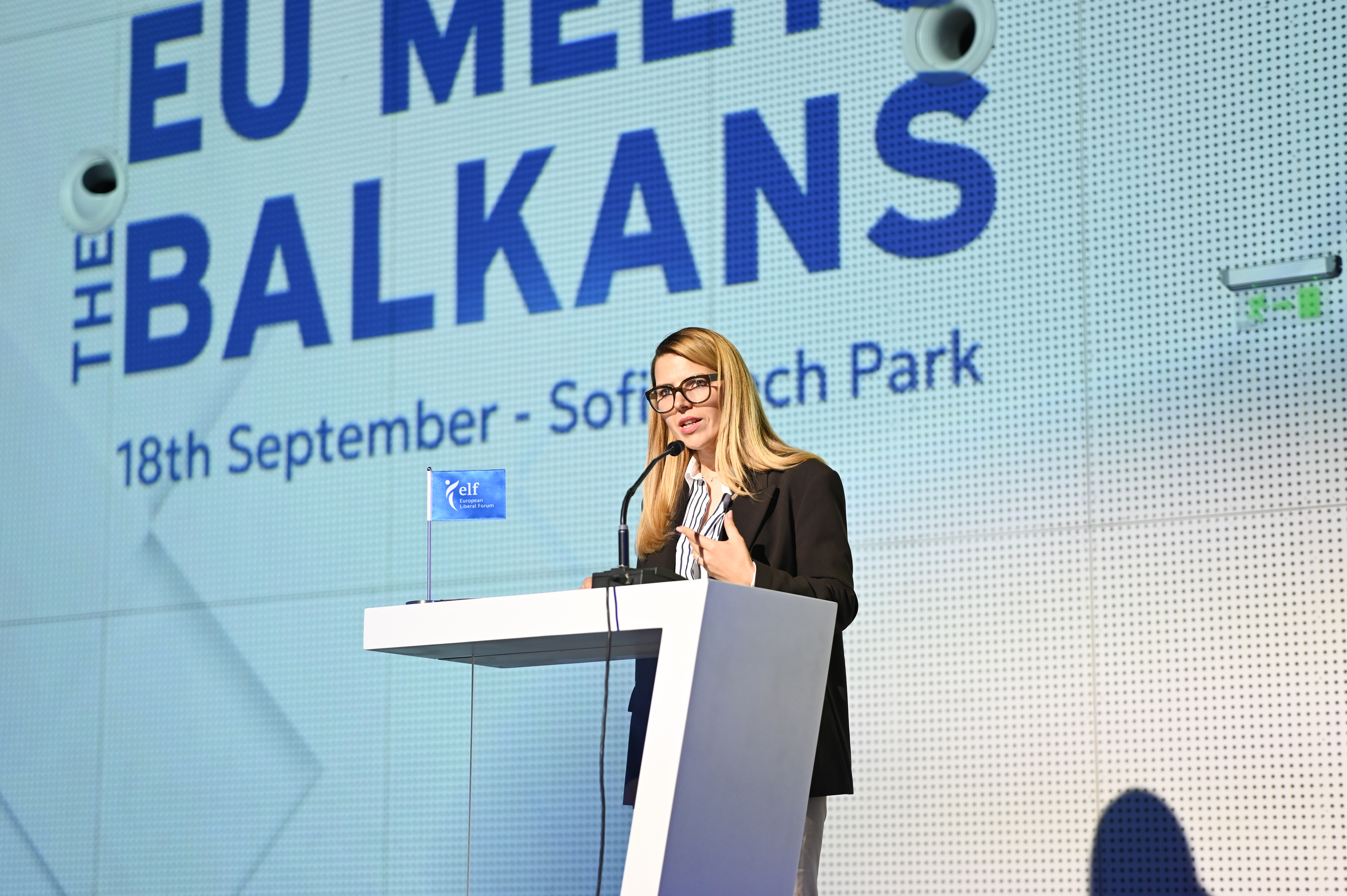
The Balkans must seize their opportunities and shape their own future through strong partnerships, strategic connectivity and resilient societies. This was stated by Minister of Foreign Affairs Velislava Petrova at the EU Meets the Balkans international conference in Sofia.
“Europe’s key achievement is its ability to turn borders into bridges. We can indeed do the same here. Not merely as a vision for the future, but as a necessity of the present,” Minister Petrova emphasised.
The Foreign Minister placed particular emphasis on strategic connectivity as a means of overcoming dependencies and strengthening security. “Bulgaria can serve as a gateway to Europe and a key intersection for north-south and east-west connectivity in transport, energy and digital links, including through the development of the strategic Corridor VIII and the forthcoming Regional Connectivity Forum, which Bulgaria will host,” Velislava Petrova said.
Minister Petrova highlighted EU membership as a key partnership for the countries of the region. European integration must continue to be based on individual merit. According to her, the progress made by Albania and Montenegro demonstrates that political will and reforms deliver results. Velislava Petrova said that the benefits of membership should reach citizens even before the formal completion of the accession process, through instruments such as the EU Growth Plans, SEPA and the “Roam Like at Home” principle. With regard to enlargement, she emphasised that accelerating the process must not come at the expense of its criteria.
In conclusion, Minister Petrova outlined the key priorities for the region: accelerating merit-based European integration, developing strategic connectivity, strengthening resilience against hybrid threats, interference and attacks on critical infrastructure, deepening economic cooperation and investing in people.
More photos