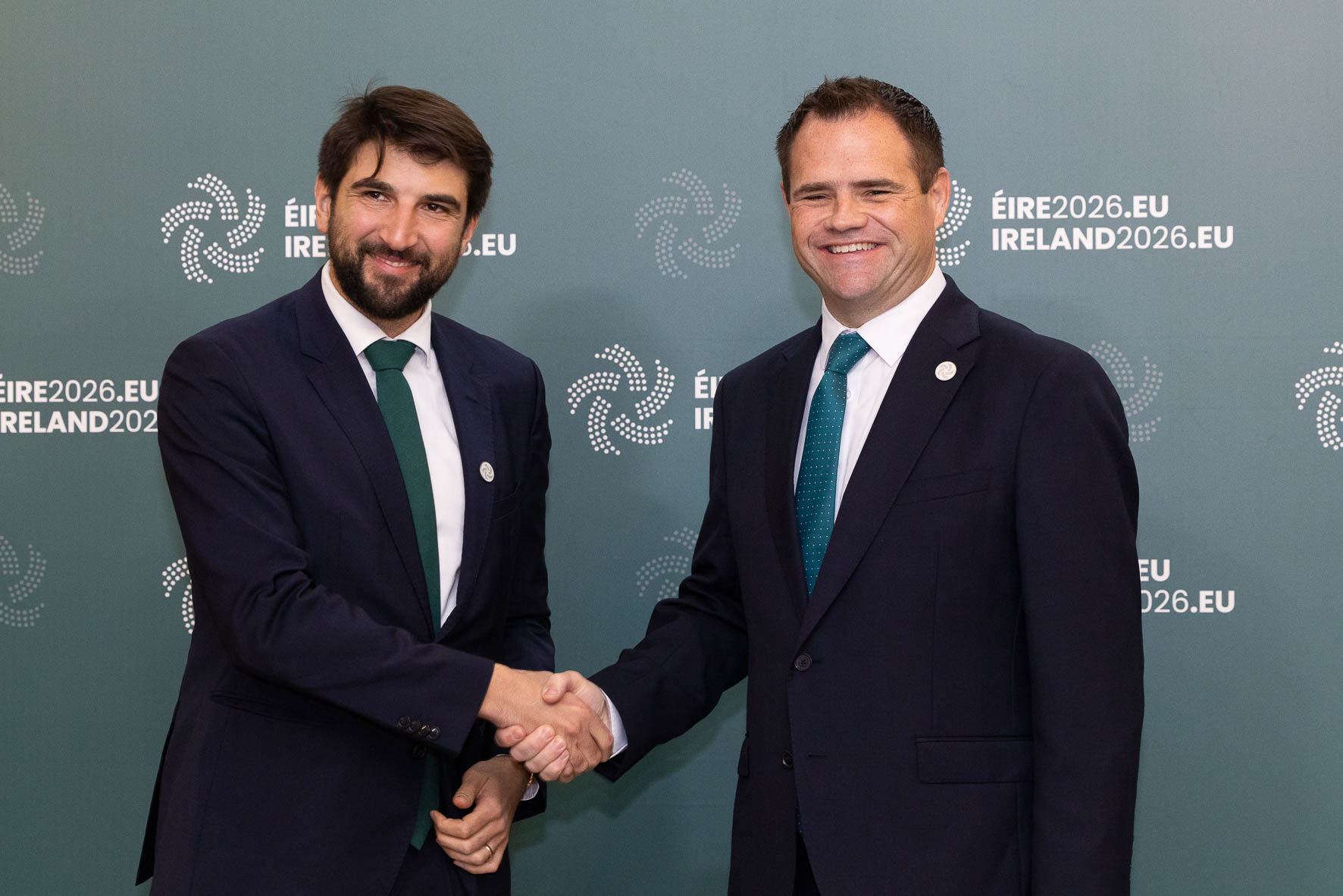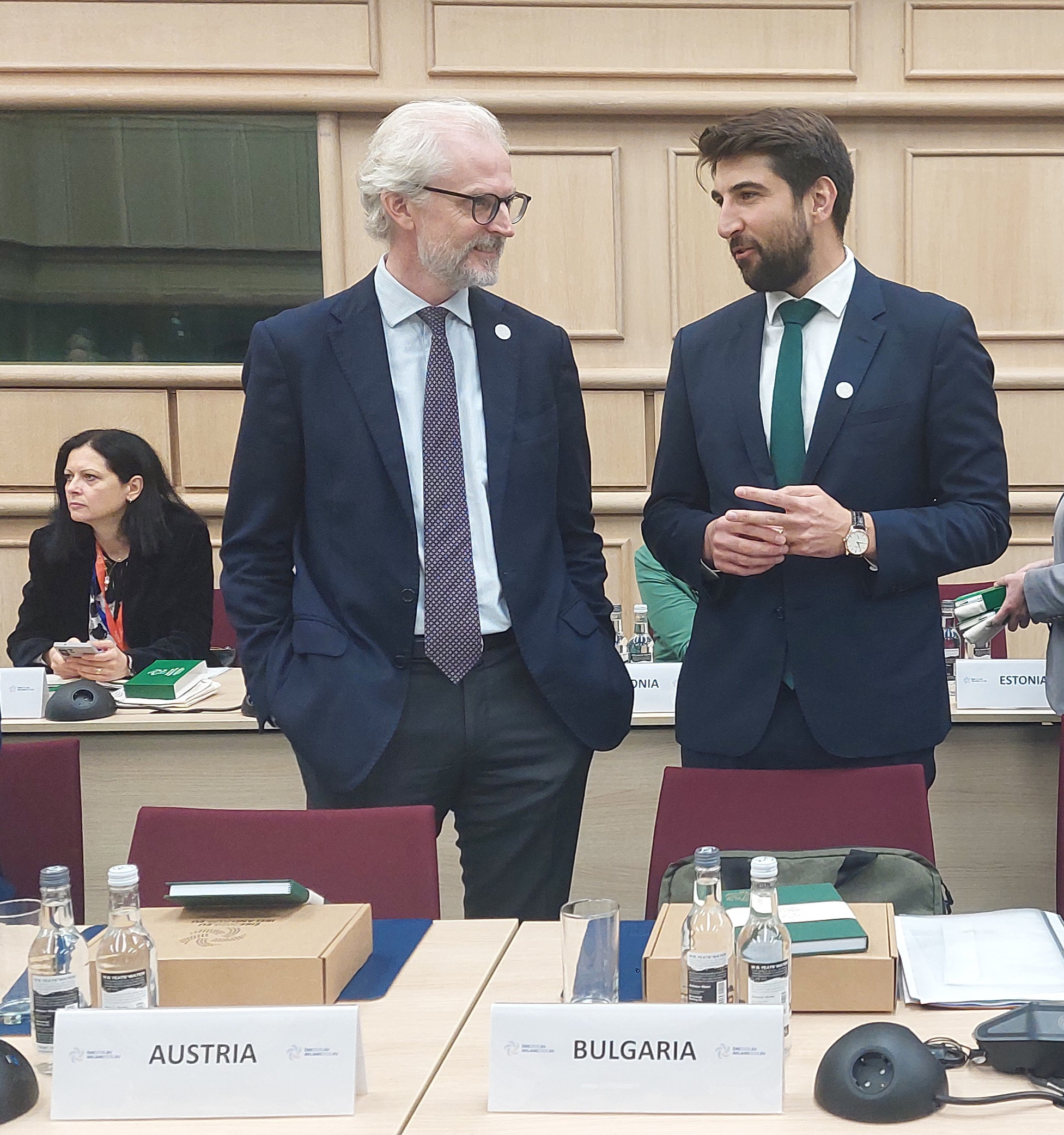
Deputy Minister Hristo Dikanski Participates in Informal Meeting of the Foreign Affairs Council (Development)
09 October 2026 News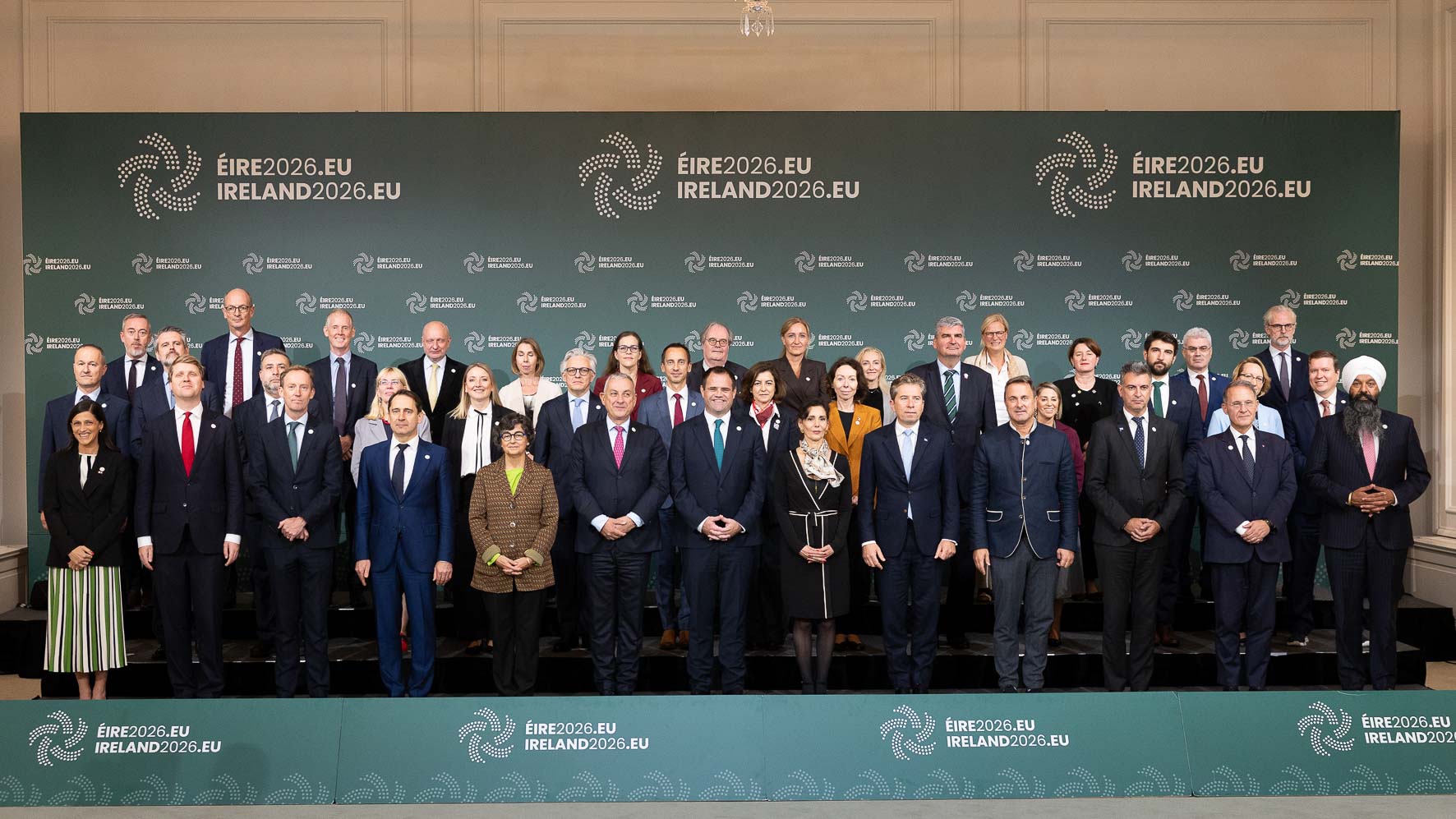
Deputy Minister of Foreign Affairs Hristo Dikanski participated in the informal meeting of the Foreign Affairs Council in the format of Ministers responsible for Development, held on 8–9 October 2026 in Dublin, Ireland. The meeting was also attended by partner countries (Canada, Iceland, Norway and the United Kingdom), representatives of the European Commission (EC), the European Investment Bank and the European Bank for Reconstruction and Development, Chair of the European Parliament's Committee on Development (DEVE) Barry Andrews, as well as special guests David Miliband (President of the International Rescue Committee and former UK Foreign Secretary) and Arancha González (Co-Chair of the Coalition for the Future of Development Cooperation and former Spanish Minister of Foreign Affairs).
The discussions focused primarily on the future of development cooperation in the context of current geopolitical developments, pressure on public finances and the transformation of the global aid architecture. There was a shared understanding that the contemporary world requires a new type of adaptive and mutually beneficial relationships between countries. Equal partnerships that take into account the interests and priorities of partner countries should be established in place of the traditional “donor–beneficiary” model. At the same time, the EU and its Member States should be open about their own strategic interests, while ensuring that public resources are allocated as efficiently as possible.
Deputy Minister Dikanski noted that in an era of polycrisis, development policy cannot be regarded merely as aid, but rather as a key geopolitical instrument. He emphasised that Bulgaria views these processes through its own experience as a country that has made the transition from aid recipient to aid donor, giving us a clear understanding of the importance of local ownership and structural reforms in partner countries. This experience shapes our approach to development cooperation – setting the priorities of our bilateral development assistance in consultation with national and local authorities, as well as with the non-governmental sector in partner countries.
During the working lunch with special guest Tom Fletcher, United Nations Under-Secretary-General for Humanitarian Affairs, the reform of the humanitarian system was discussed. The key messages from the discussion highlighted the need for a more flexible, coordinated and data-driven humanitarian architecture capable of effectively addressing systemic resource shortages. The importance of an integrated approach that successfully links emergency humanitarian assistance, long-term development and peacebuilding was noted. The importance of compliance with international humanitarian law and the protection of humanitarian workers was emphasised.
More photos