Deputy Minister Ivanka Tasheva Participates in the EU General Affairs Council
23 September 2026 News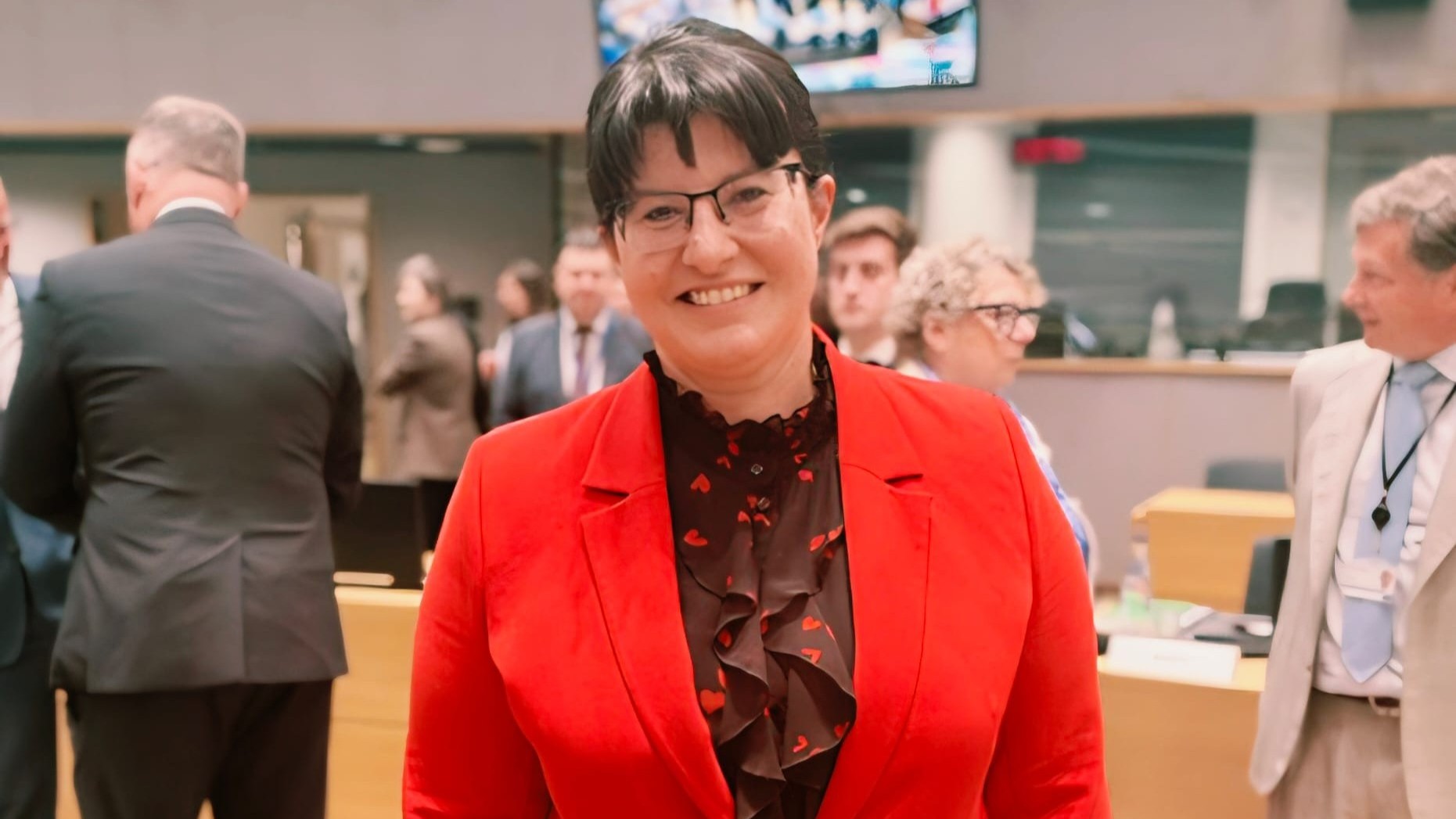
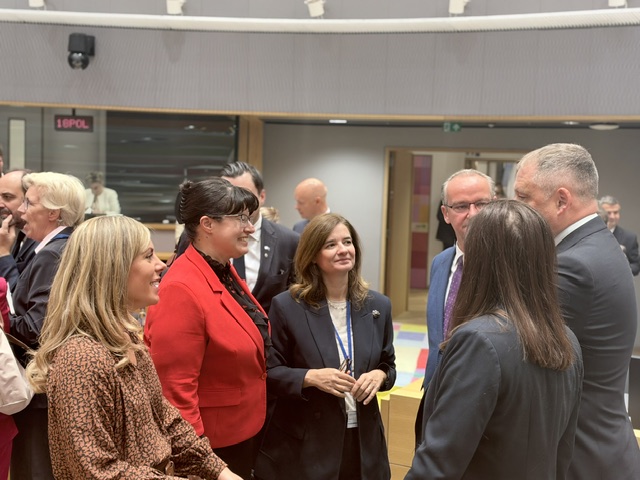
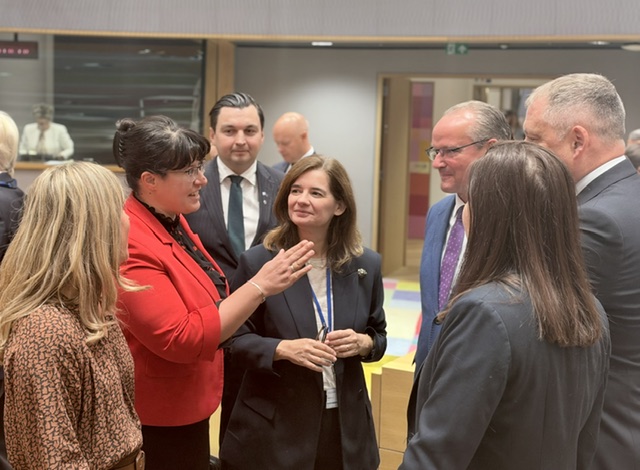
Deputy Minister of Foreign Affairs Ivanka Tasheva represented Bulgaria at the regular meeting of the General Affairs Council of the European Union, held today in Brussels.
The ministers began their work with a policy debate on the proposal for the EU’s Multiannual Financial Framework (MFF) for 2028–2034.
“At a time when competitiveness and strategic autonomy are becoming increasingly important on the EU agenda, the future European budget must not depart from the policies and objectives enshrined in the Treaties. Cohesion, convergence and the Single Market remain fundamental pillars of the European project, and their role should not be weakened in the pursuit of new strategic objectives, given their key importance for sustainable development. Improving connectivity should also be among the key priorities,” Deputy Minister Tasheva said. The EU’s current long-term budget covers the 2021–2027 period. The Multiannual Financial Framework provides funding for the Union’s policies and priorities, including the green and digital transitions.
The Council also discussed the draft agenda for the forthcoming regular meeting of the European Council in October. The topics include Ukraine, the Middle East, competitiveness, security and defence, the next Multiannual Financial Framework, migration, enlargement and reforms. “Bulgaria will continue to be a constructive partner, while at the same time upholding the need for a renewed, more strategic and focused European role in efforts to achieve peace. If we want the EU’s voice to be heard in shaping the post-war reality, we must also play an active role in the negotiation process,” Deputy Minister Tasheva emphasised.
In her remarks, she also highlighted competitiveness as a key issue for the European Council. “A strong European industrial base is essential. We welcome measures to promote investment, innovation and technological capacity in strategic sectors, alongside efforts to reduce critical dependencies on raw materials, energy and key technologies. High energy prices continue to pose a serious challenge to European industry and households. Therefore, diversifying supplies, strengthening regional connectivity, increasing storage capacity and further integrating the energy market are of particular importance,” the Bulgarian Deputy Minister of Foreign Affairs said.
More photos