History of the Embassy Building
The Embassy of the Republic of Bulgaria in Hungary is located in one of Budapest's most distinguished and architecturally significant districts, at 115 Andrássy Avenue (Andrássy út 115). Construction of the avenue began in 1872, and it was officially inaugurated on 20 August 1876. Conceived as a prestigious ceremonial boulevard, it links the historic city centre of Budapest with City Park. Originally known as Sugárút (Radial Avenue), it was renamed in 1885 in honour of Count Gyula Andrássy (1823-1890), one of Hungary's most eminent statesmen, Prime Minister of the Kingdom of Hungary (1867-1871), and the first Minister of Foreign Affairs of Austria-Hungary (1871-1879).
Extending for 2,310 metres, Andrássy Avenue is one of Europe’s finest examples of late nineteenth-century urban planning and architecture. It is lined with monumental buildings featuring richly ornamented façades and elegant interiors, which together form one of Budapest’s most distinguished architectural ensembles. Among its foremost landmarks is the Hungarian State Opera House.
Andrássy Avenue runs through Budapest’s District VI, Terézváros, linking the historic centre of the Hungarian capital with City Park (Városliget). In 2002, the avenue was inscribed on the UNESCO World Heritage List, together with the Millennium Underground Railway (Millenniumi Földalatti Vasút) – Budapest’s first metro line, built beneath the avenue, and Heroes’ Square (Hősök tere), situated at the end of the avenue.
The Millennium Underground Railway, now Line M1 of the Budapest Metro, holds a special place in the history of European urban transport. Opened on 2 May 1896, it was the first underground railway in continental Europe and was designed and built for electric traction from the outset. City Park, at the end of the avenue, is among Europe’s oldest public parks and an early example of modern urban park design.
Until the mid-nineteenth century, the area in which the Embassy of the Republic of Bulgaria in Hungary now stands remained predominantly agricultural and lay beyond the city’s built-up area. As the capital expanded rapidly during the second half of the nineteenth century, this part of Budapest gradually acquired a new character. Spacious plots, proximity to the newly constructed grand avenue and the ambition to create a modern European capital made the district a sought-after location for elegant urban residences and villas commissioned by affluent families, public figures and members of the established urban elite.
It was within this prestigious urban setting, shaped during the closing decades of the nineteenth century, that the history of the building now housing the Embassy of the Republic of Bulgaria in Hungary began.
In 1882, the widow of Sándor Kriszt commissioned the architect Sándor Knotz to design and construct a single-storey residence at 129 Sugár Avenue (Sugár út 129), today 115 Andrássy Avenue. Built in the eclectic style characteristic of the period, the villa combines elements drawn from a variety of architectural traditions and stands as a fine example of a representative urban residence of the late nineteenth century.
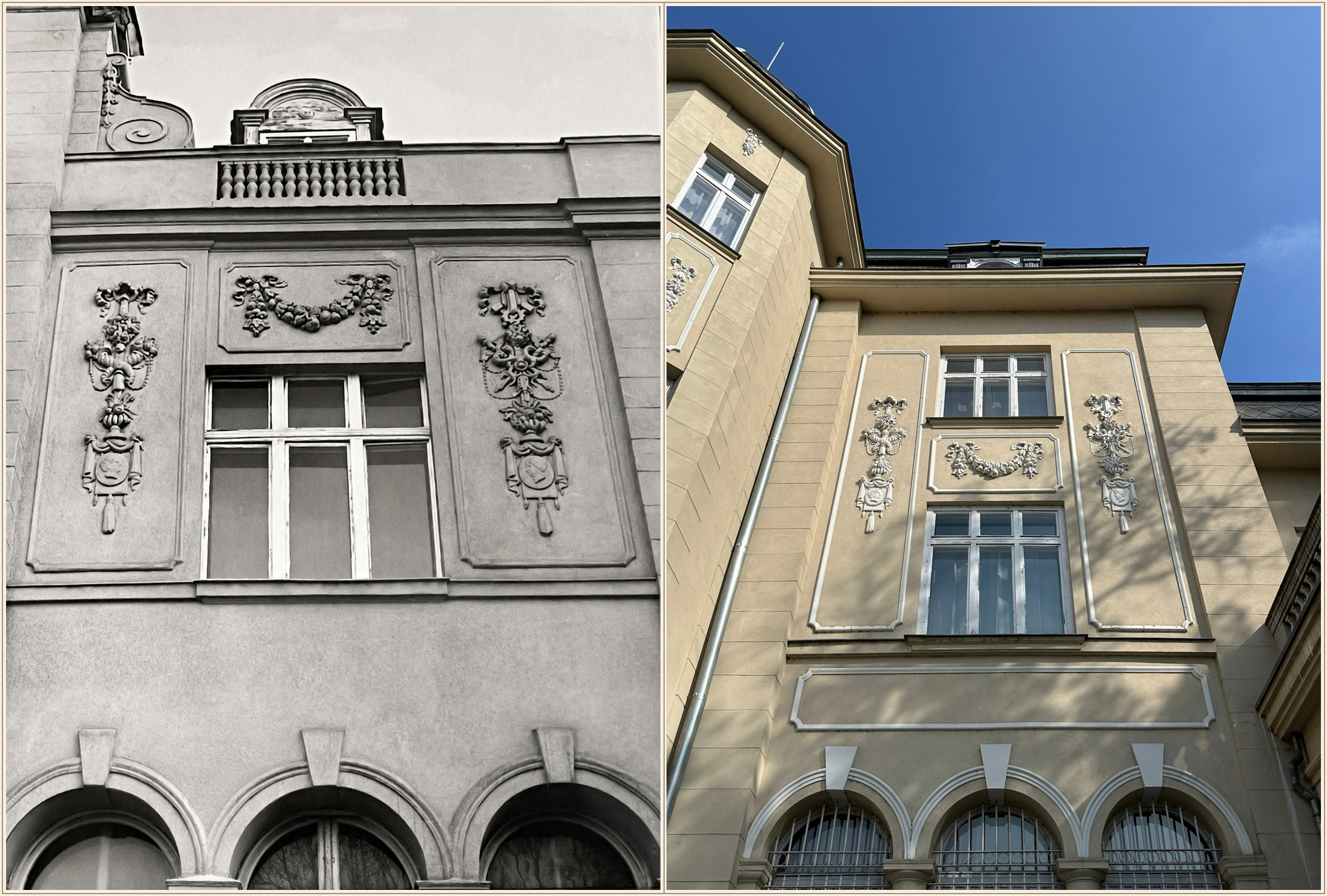
By the beginning of the twentieth century, the property had already assumed its present address – 115 Andrássy Avenue (Andrássy út 115) – and was acquired by Ágoston Csán, a member of the boards of directors of the Concordia Joint-Stock Company and the Nagykikinda Steam Mill Joint-Stock Company.
After his death in 1916, his widow sold the property for 300,000 Kronen to László Maróthi-Fürst, a Royal Court Counsellor and a prominent figure in Hungarian public life.
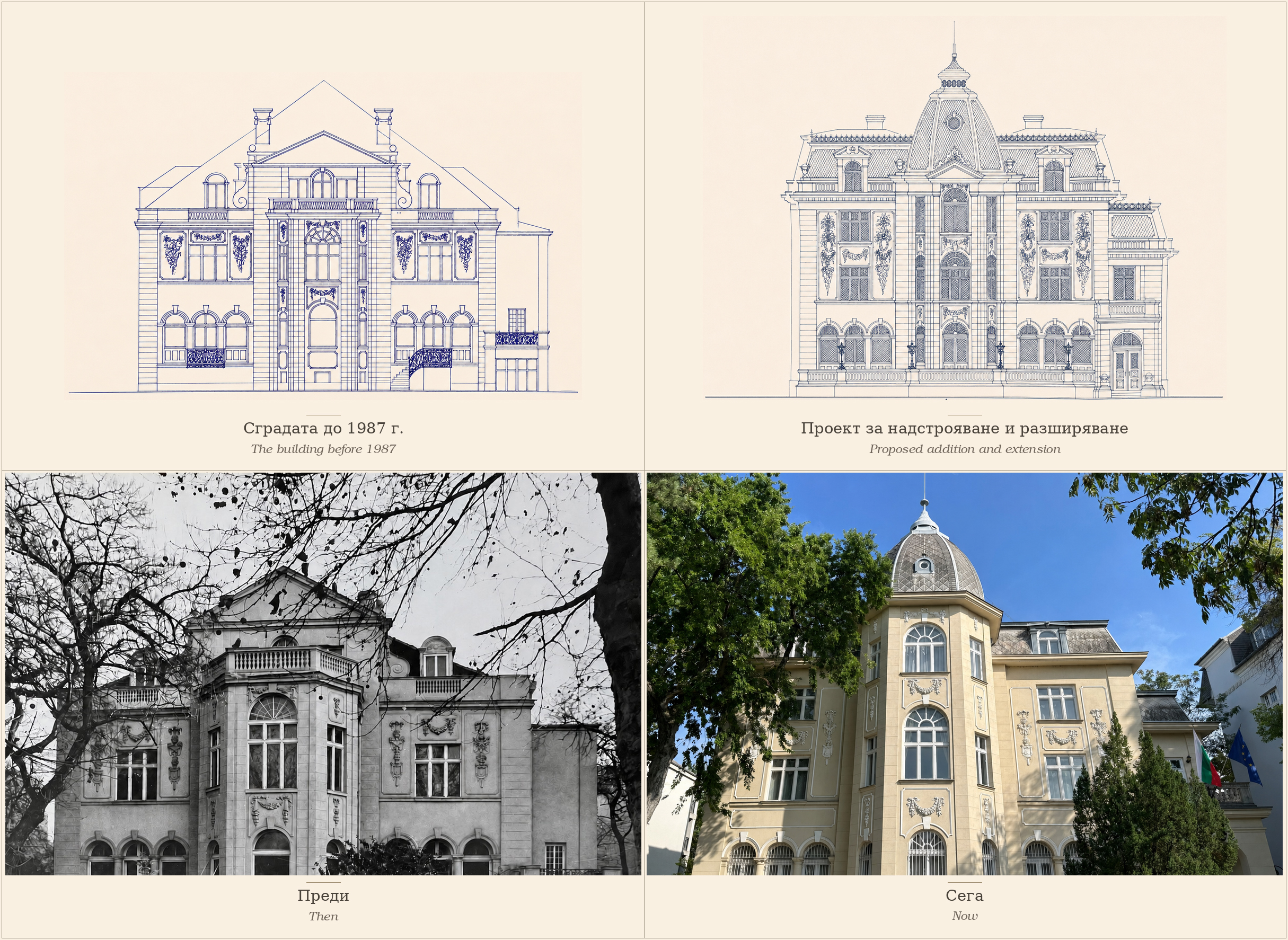
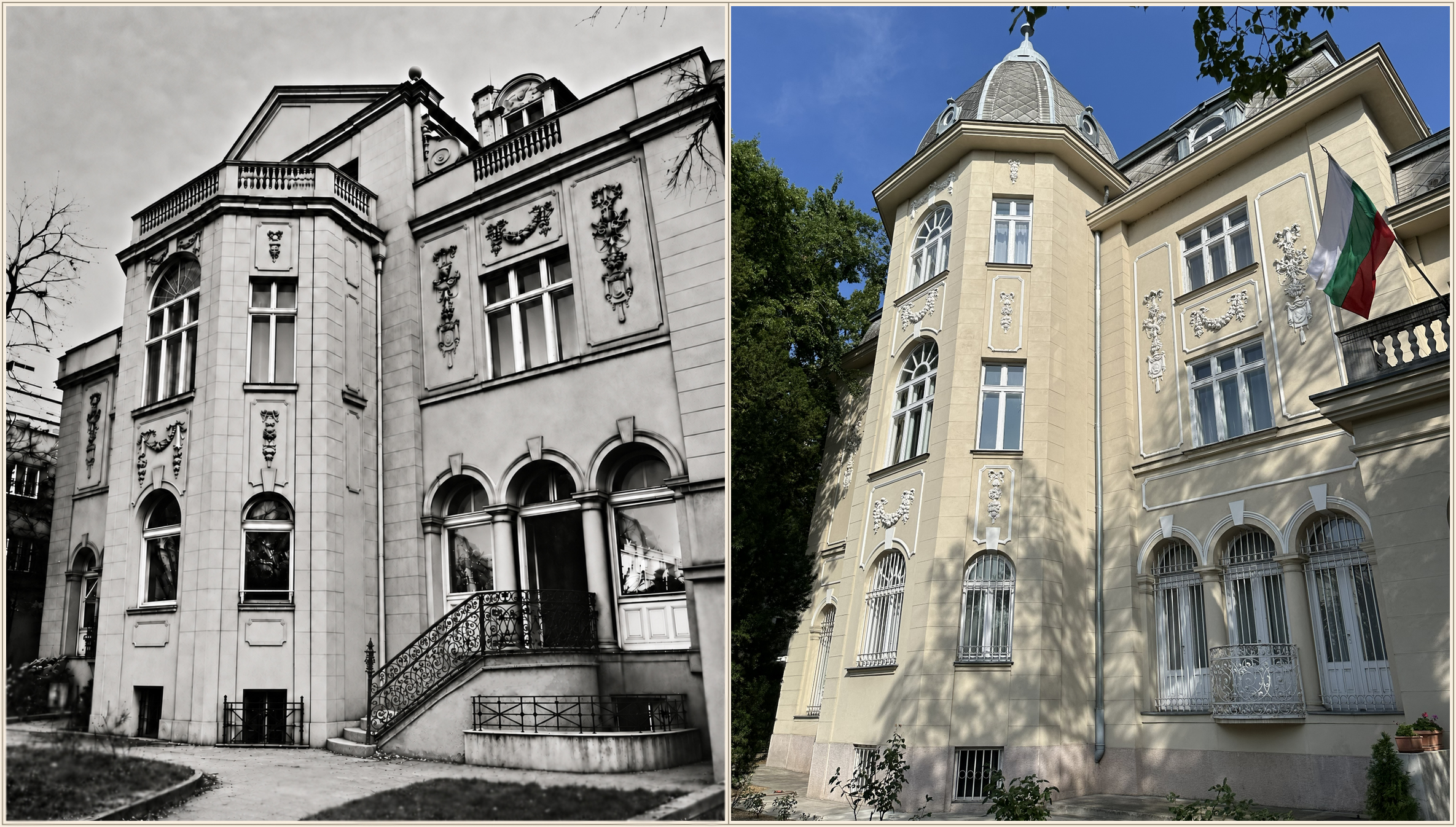
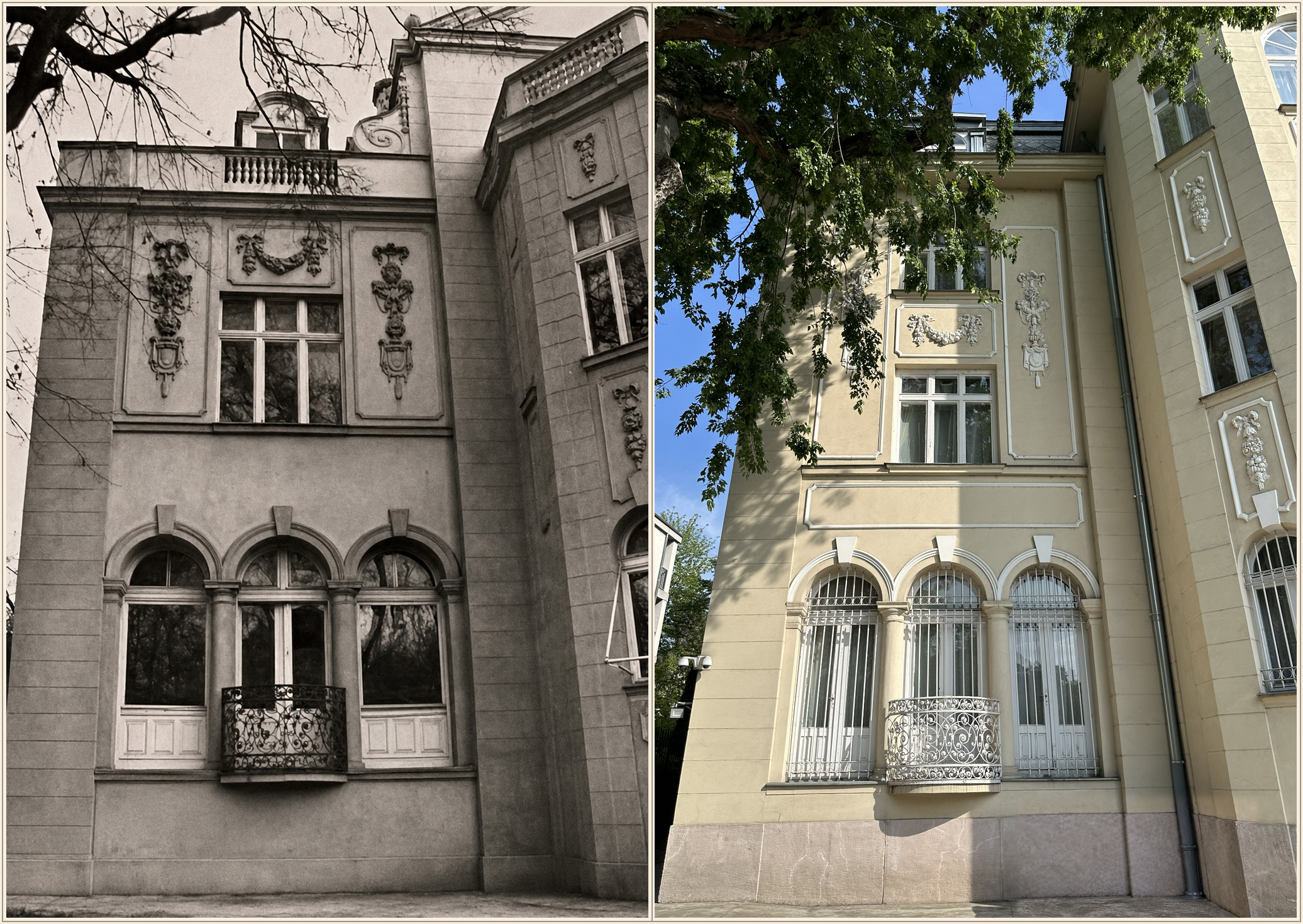
In 1924, the building underwent a major reconstruction designed by the architect Lajos Dengler. As part of this intervention, the original single-storey villa was extended with a second floor and given a new façade composition. This transformation largely defined the building's representative architectural character, which has been preserved in its essential features despite the subsequent alterations and extensions.
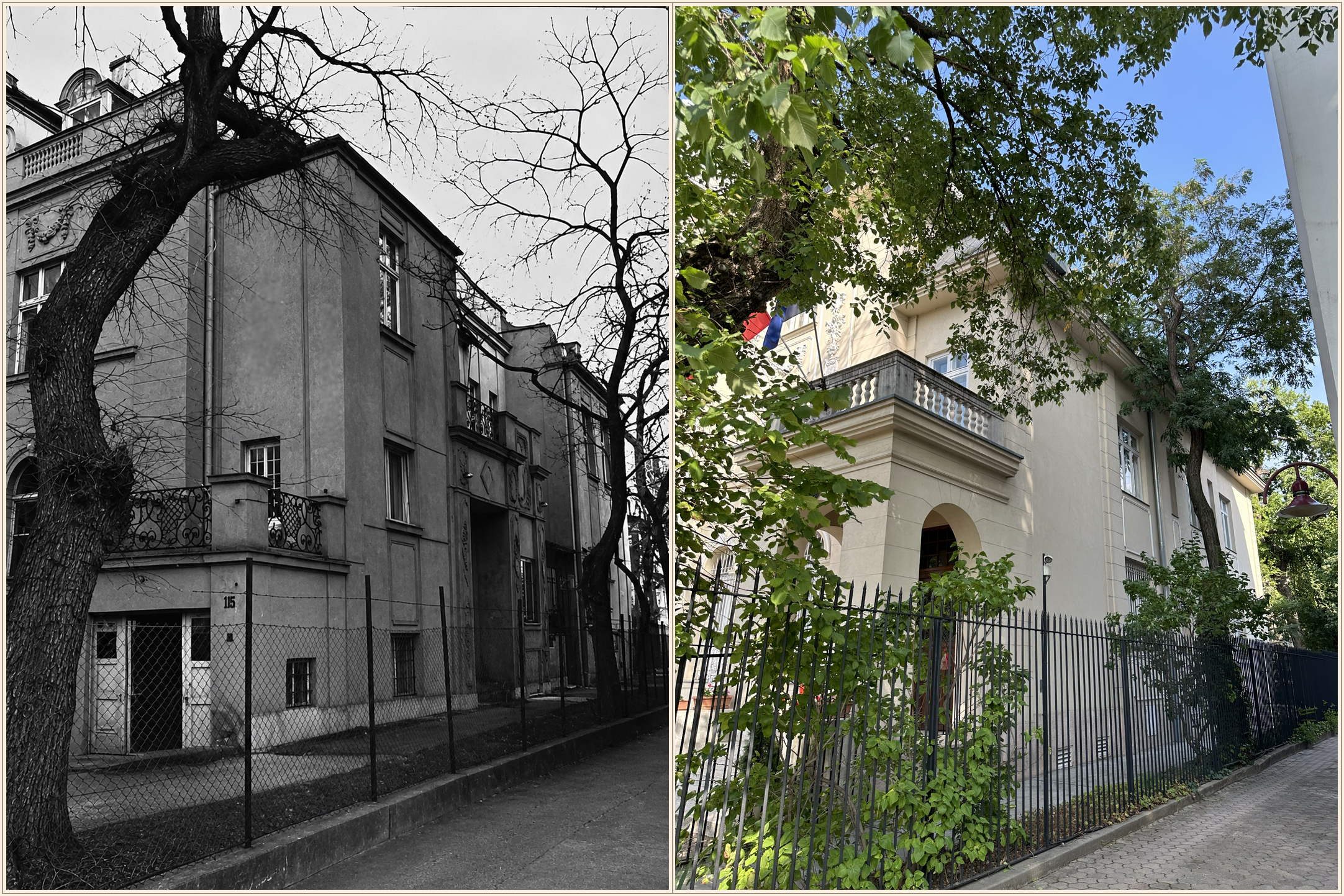
László Maróthi-Fürst died suddenly in 1935, after which his estate was offered for public sale. On 30 July 1936, the villa at 115 Andrássy Avenue, inherited by his widow, was sold at public auction. The property was acquired by the Kingdom of Bulgaria for the substantial sum of 150,500 Pengő, reflecting both the exceptional value of real estate along Andrássy Avenue and the representative character of the building itself.
Following its acquisition, the building was adapted to meet the needs of the Bulgarian diplomatic mission and began serving as the Embassy of the Kingdom of Bulgaria in 1939, as also documented in the archives of the Hungarian News Agency (Magyar Távirati Iroda, MTI).
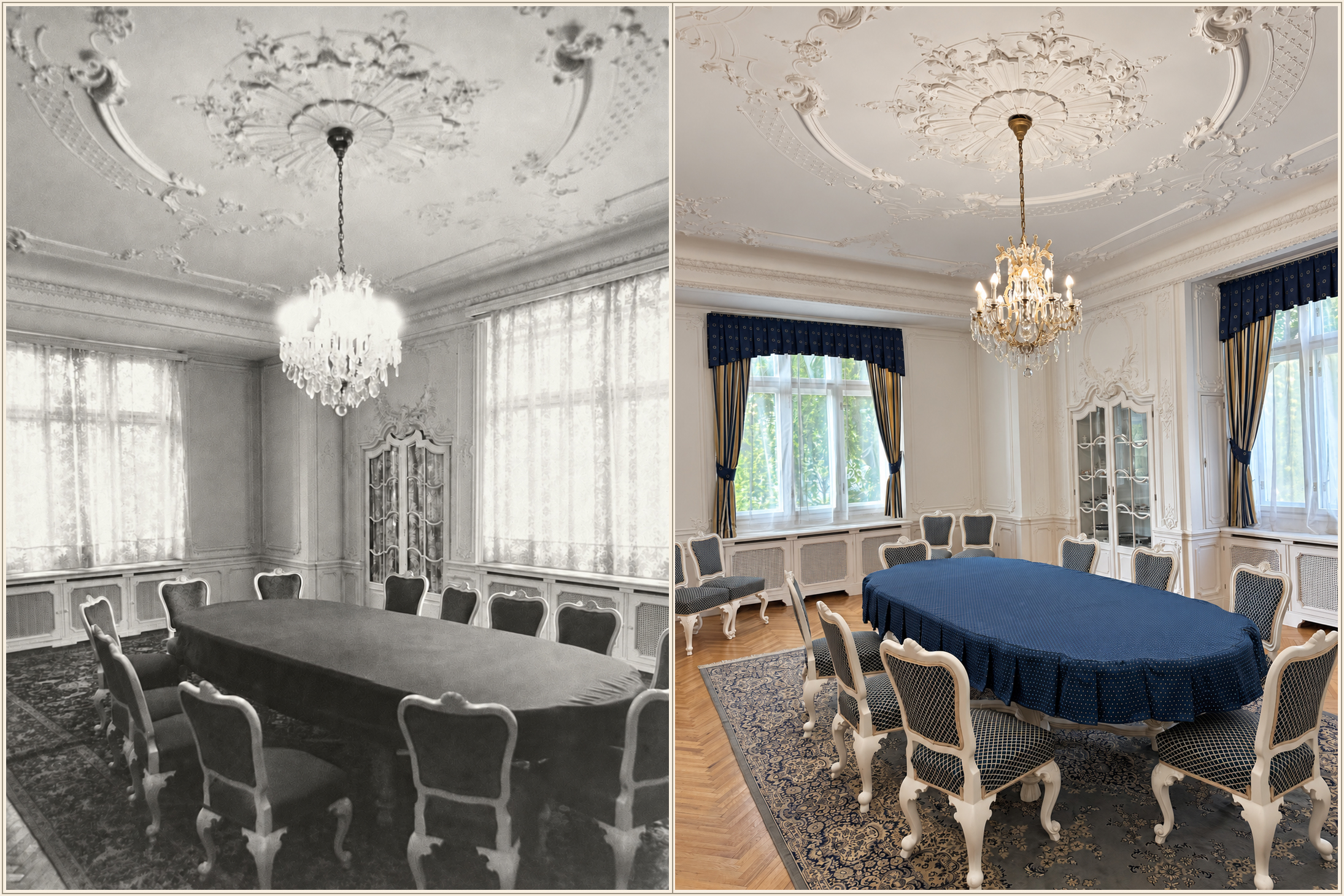
Unlike many neighbouring buildings, the property survived the Second World War largely intact. After several decades of continuous diplomatic use, a comprehensive programme of reconstruction, extension and vertical enlargement was undertaken in the late 1980s. The project was carried out between 1987 and 1991 by the architects Iv. Stoychev, Sv. Stoycheva and Tsv. Nineva, resulting in the building's present-day configuration.
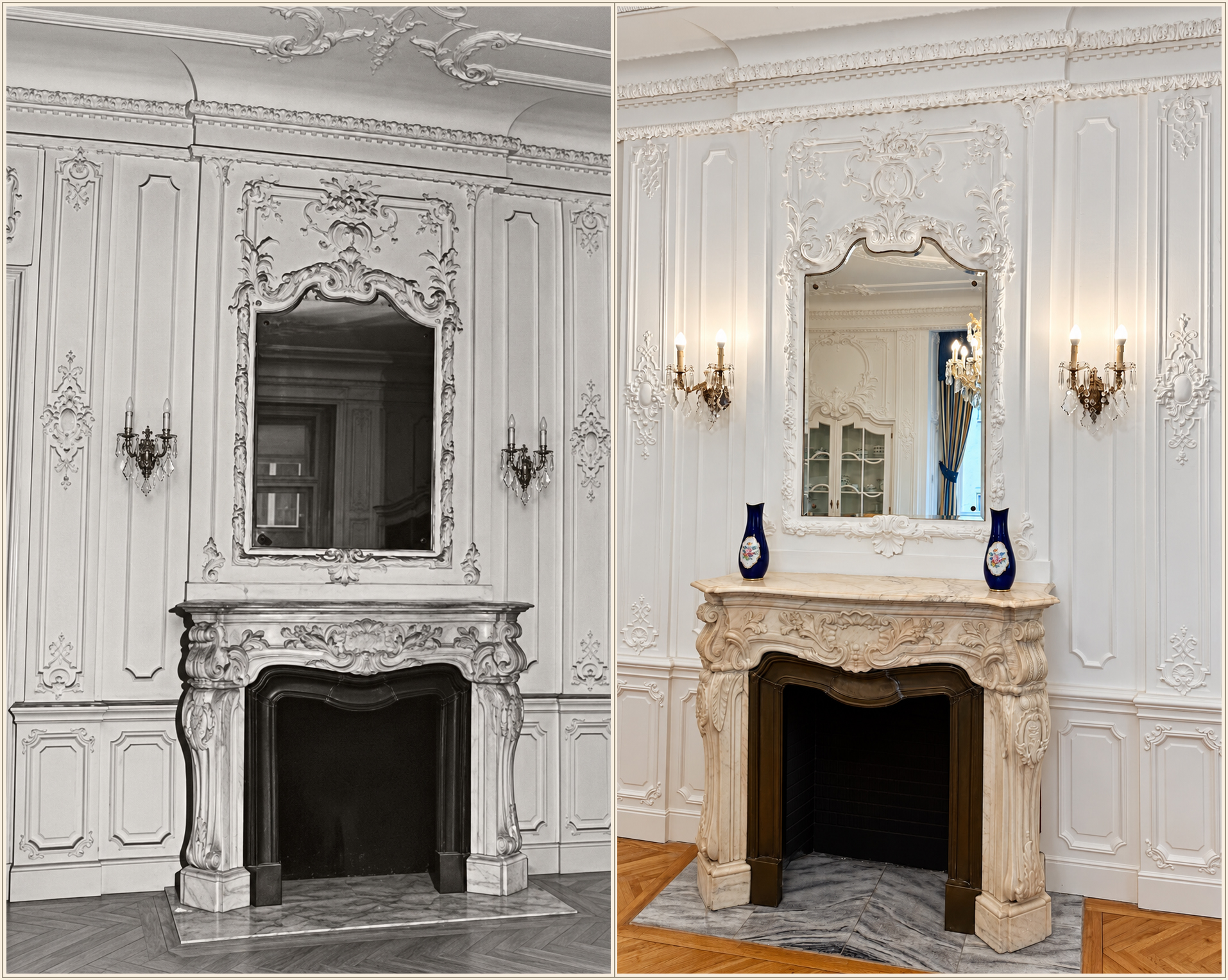
The most recent comprehensive restoration of the façade was carried out in 2014. The works included the original decorative elements and preserved its authentic architectural character.
An interesting fact about the building’s recent history is that it has been blessed twice. The first blessing was performed on 3 January 1992 by His Eminence Metropolitan Simeon of Western and Central Europe, and the second on 11 February 2023 by His Eminence Metropolitan Anthony of Western and Central Europe.
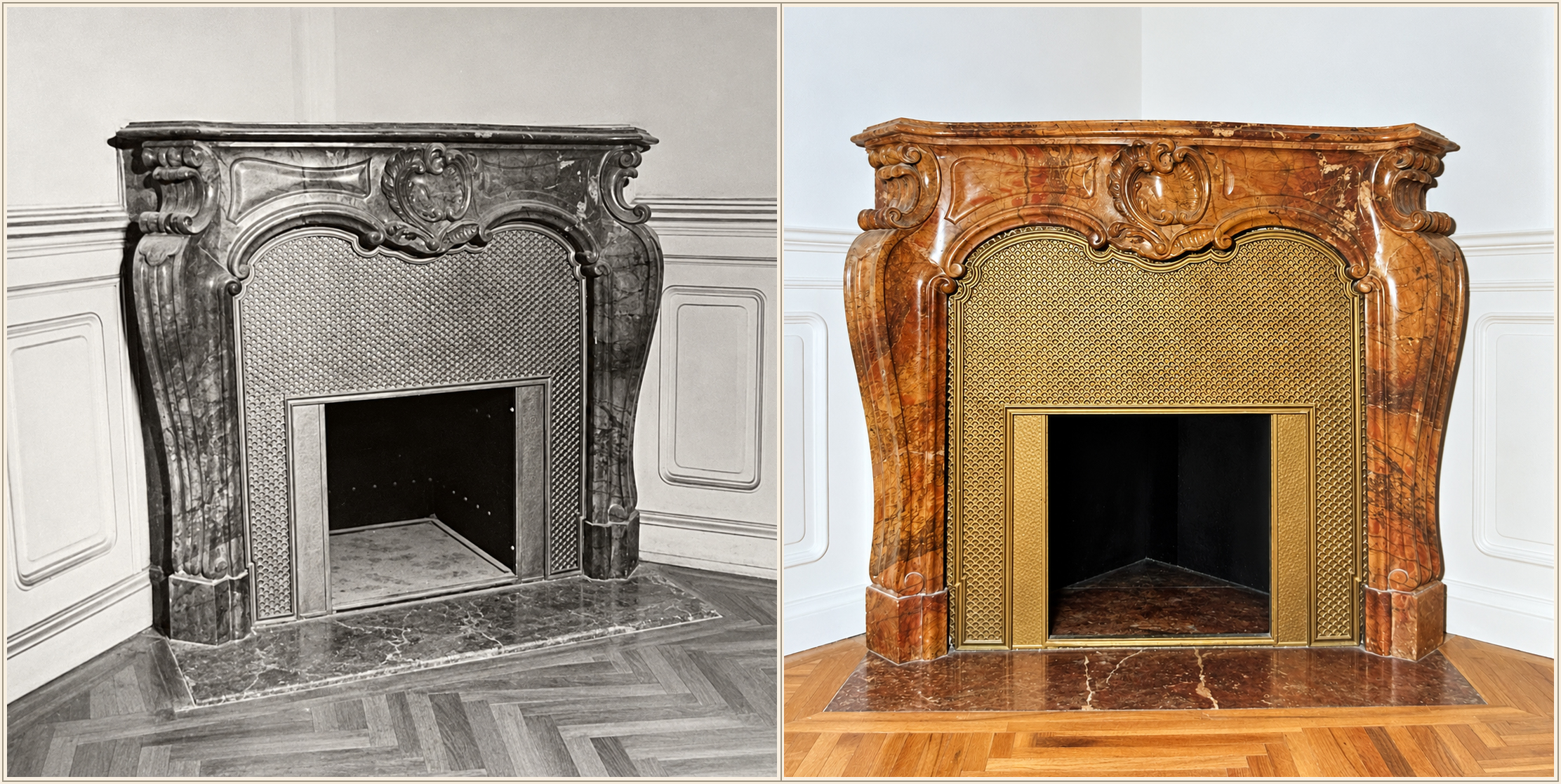
Today, the building continues to house the Embassy of the Republic of Bulgaria in Hungary. From its origins as a private urban villa to its present role as the home of Bulgaria's diplomatic mission in Hungary, the building has preserved its architectural identity while remaining an integral part of both the historic ensemble of Andrássy Avenue, inscribed on the UNESCO World Heritage List, and the enduring history of Bulgarian-Hungarian relations.