The Annual General Assembly of the European Network of Cultural Institutes - EUNIC was held in Brussels
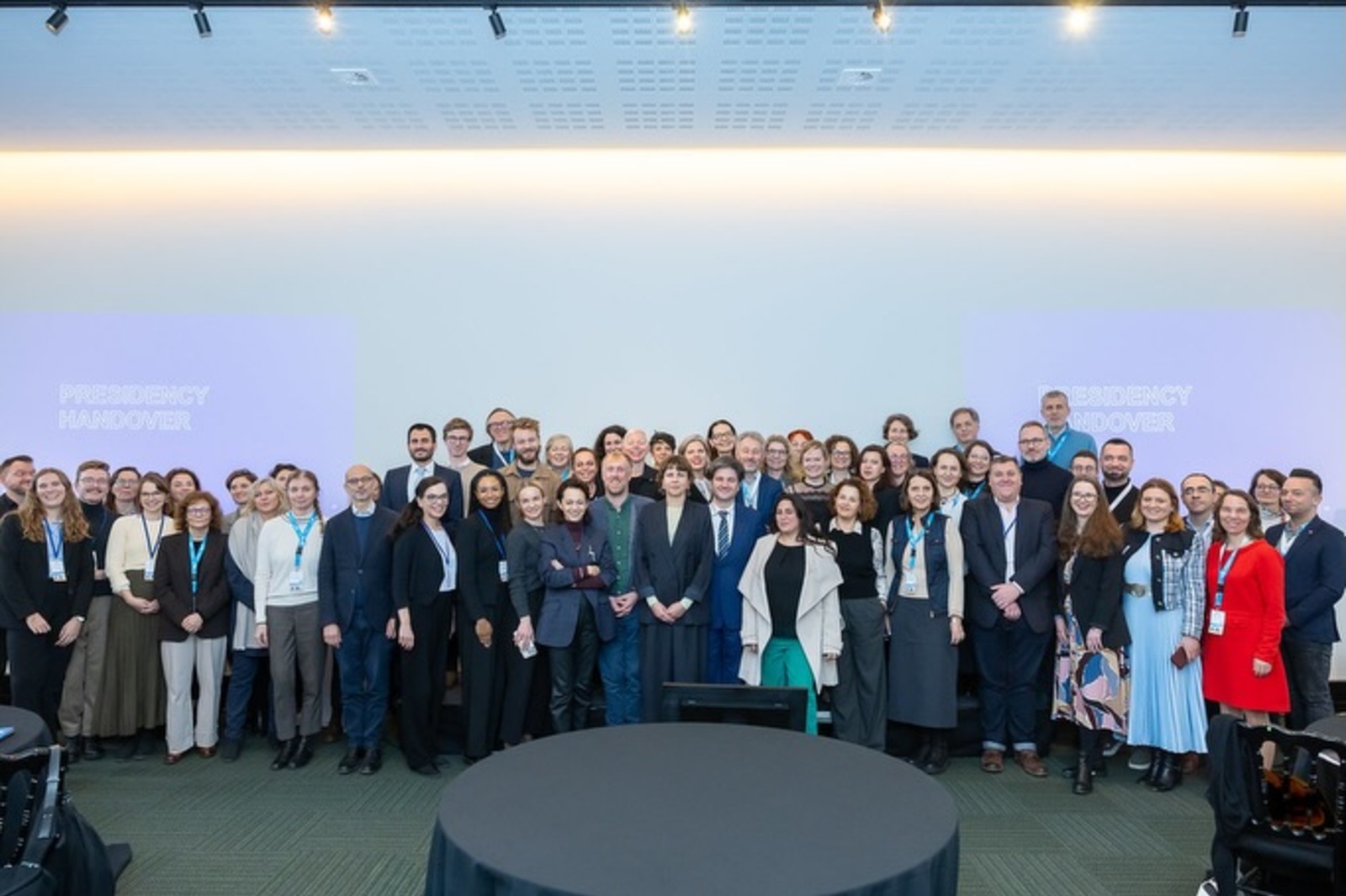
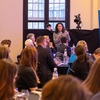
The Annual General Assembly of the European Network of Cultural Institutes - EUNIC, which took place on 9 and 10 December 2025 at the Maison Grand Place in Brussels, brought together representatives of European cultural institutes and embassies, experts and partner organisations for in-depth discussions on the future of international cultural relations. The State Institute for Culture was represented by Pavla Radeva - Chief Expert and Nia Tabakova - Senior Specialist.
The event was opened by EUNIC President Kirsten van den Hul (DutchCulture) and Executive Director Andrew Manning, who highlighted the role of the network in the context of growing global challenges. They outlined EUNIC's ambition to continue strengthening its presence in international policies and underlined the importance of joint efforts and shared values within European cultural diplomacy.
The first panel, led by the EUNIC-Global team, was dedicated to the programmatic directions of the network and the development of the cluster network. In this context, the results of the selection under the Cluster Fund were announced, under which 14 new projects will be supported in 2026. Main trends in the work of the clusters were presented, including good examples of local partnerships, innovative formats and the need for more targeted resource sharing. Up-to-date information was presented on the “European Spaces of Culture” program, through which EUNIC implements joint cultural initiatives based on partnership, co-creation and sensitivity to the local context. The team presented an analysis of the achieved results and outlined the possibilities for future editions of the model, including expanding the geographical scope and stimulating hybrid, interdisciplinary formats.
The session “The Power of Network Action” addressed topics related to the global visibility of international cultural relations. Participants discussed EUNIC’s role within major international platforms such as MONDIACULT and COP, where the network is actively working to raise the profile of culture in sustainable development and climate action policies.
During the General Assembly, two new members of the Board of Directors were welcomed: Olga Wysocka, Director of the Adam Mickiewicz Institute, who joined as a new member, and Julija Reklaitė, Director of the Lithuanian Cultural Institute, who was elected as the new Vice-President of the Board. Their election underlined the desire to strengthen the leadership of the network through experienced professionals with proven international contributions.
An important highlight of the program was the session dedicated to cooperation with Ukraine. The Director of the Ukrainian Institute, Volodymyr Sheiko, provided an update on the Institute’s global initiatives and the development of cooperation with EUNIC. He also shared guidelines for the future edition of the Fund for Ukraine, emphasizing the need for long-term support and international cultural ties that contribute to the country’s resilience.
The second day started with a panel on the intersection of international cultural relations and domestic politics, featuring Kirsten van den Hul (DutchCulture), Julia Reklaite (Lithuanian Cultural Institute) and Tim Moore (British Council). Topics covered included organisational sustainability, the challenges facing cultural institutes in their local political contexts and the need to bring certain issues to the attention of the wider EUNIC community.
The next major block of the programme focused on European policies. Desislava Dimitrova and Stefanie Bonnici from the Cabinet of the European Commissioner for Culture, Glenn Micallef, presented the latest developments on the new European strategic framework for culture - Culture Compass and its significance for the future role of cultural relations. Hannes Heide, Member of the European Parliament, as well as Charlotte Bechert, advisor to MEP Nella Riehl, looked at the funding prospects after 2027 under the next Multiannual Financial Framework. The role of Member States was presented by Eugene Downes from the Irish Foreign Office, who outlined key mechanisms for national engagement.
The General Assembly concluded with the handover of the EUNIC Presidency to Gite Zschoch (Institute for External Cultural Relations - ifa). The two-day meeting reaffirmed EUNIC's role as a strategic platform for international cultural cooperation, bringing together experts, ideas and efforts to develop culture as a key factor in global dialogue and a sustainable future for Europe.